
Table of Contents
- China’s Dominance in Bast Fiber Yarns – Beyond Cotton and Silk
- The Core Four: A Deep Dive into China’s Primary Pure Bast Yarns
- 2.1 Flax (Linen) Yarn: The Benchmark of Luxury and Performance
- 2.2 Ramie Yarn: The “Chinese Grass Linen” – Strength and Brilliance
- 2.3 Hemp Yarn: The Eco-Warrior – Sustainable and Durable
- 2.4 Jute Yarn: The Workhorse – Texture and Ecological Appeal
- From Stalk to Skein: Processing Methods Defining Yarn Character
- 3.1 Wet-Spun vs. Dry-Spun: The Core Dichotomy
- 3.2 Semi-Linen and Blended Yarn Production in China
- Technical Specifications & Data: A Procurement Manager’s Guide
- Table 1: Comparative Analysis of Chinese Bast Fiber Yarn Properties
- Table 2: Standard Yarn Count Ranges and Typical Applications
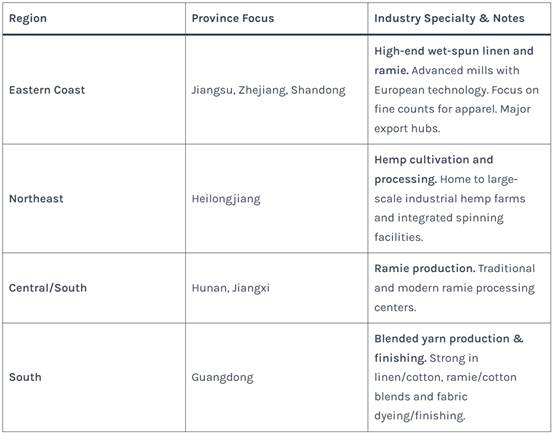
- Table 3: Key Sourcing Regions in China and Their Specialties
- Application-Driven Selection: Matching Yarn to End-Use
- 5.1 Apparel Fabrics: From Summer Shirts to Denim
- 5.2 Home Textiles: Bedding, Upholstery, and Towels
- 5.3 Technical and Industrial Uses: Composites, Geotextiles
- 5.4 Handicrafts and Specialty Products
- Navigating the Chinese Supply Chain: Quality Tiers, Certifications, and Compliance
- Future Trends: Innovation in Chinese Bast Fiber Production
- Strategic Sourcing for Quality and Value
- Frequently Asked Questions (FAQ)
1. China’s Dominance in Bast Fiber Yarns – Beyond Cotton and Silk
For global procurement managers in textiles, China is synonymous with scale and capability. While renowned for silk and cotton, What Are the Types of Pure Bast Fiber Yarns from China? China has also emerged as a preeminent, sophisticated producer of bast fiber yarns. Sourced from the sturdy phloem fibers of plant stems, these yarns—flax (linen), ramie, hemp, and jute—offer a compelling combination of sustainability, unique technical properties, and aesthetic appeal. This guide provides a detailed, data-driven overview of the pure bast fiber yarns available from China, equipping you with the knowledge to navigate this complex but rewarding sector, assess quality, and make informed sourcing decisions that align with your product needs, from high-fashion apparel to durable home goods.
2. The Core Four: A Deep Dive into China’s Primary Pure Bast Yarns
2.1 Flax (Linen) Yarn: The Benchmark of Luxury and Performance
China is a major producer of linen yarn, with much of its high-quality flax fiber imported from Europe, but with spinning and weaving done domestically to exceptional standards.
- Characteristics: Known for its superior moisture-wicking (can absorb up to 20% of its weight in moisture without feeling damp), rapid drying, and distinctive “crisp” hand feel that softens with wear. It has high tensile strength, especially when wet.
- Visual & Tactile Profile: Yarns exhibit natural slubs and irregularities, contributing to linen’s organic aesthetic. Colors range from natural ecru, oatmeal, and grey to fully bleached white.
- Key Data Points: Typical tensile strength ranges from 25-35 cN/tex. It possesses natural antibacterial and UV-resistant properties.
2.2 Ramie Yarn: The “Chinese Grass Linen” – Strength and Brilliance
Ramie (Boehmeria nivea) is native to China and one of its oldest textile fibers, known as “zhuma.”
- Characteristics: The strongest of all natural cellulose fibers, with a tensile strength roughly 8 times that of cotton and significantly higher than flax. It is highly resistant to bacteria, mildew, and rotting. Its most notable feature is its exceptional luster and silk-like sheen.
- Processing Challenge: Ramie contains high levels of gummy pectins, requiring extensive degumming. Chinese mills have perfected this chemical/biological degumming process, producing yarns with varying levels of softness.
- Key Data Points: Tensile strength can exceed 50 cN/tex. Moisture regain is similar to linen (~12%). It is stiffer and less elastic than linen but holds dyes brilliantly.
2.3 Hemp Yarn: The Eco-Warrior – Sustainable and Durable
China is one of the world’s largest producers of industrial hemp (Cannabis sativa L., with negligible THC). Its hemp yarn industry is advanced and export-oriented.
- Characteristics: Extremely durable, porous, and breathable. It has excellent moisture-wicking and antimicrobial properties. Hemp yarns are often softer than linen in finer counts but retain a rustic, robust character.
- Sustainability Credentials: Hemp requires minimal pesticides and water, enriches soil, and has a very high yield per acre. This makes hemp yarns a top choice for eco-conscious brands.
- Key Data Points: Tensile strength is high, around 30-40 cN/tex. It exhibits superior resistance to abrasion and UV degradation compared to other bast fibers.
2.4 Jute Yarn: The Workhorse – Texture and Ecological Appeal
While traditionally associated with Bangladesh and India, China produces significant volumes of jute yarn, often focusing on value-added and blended products.
- Characteristics: Jute yarns are golden-brown in color (hence “the golden fiber”), with a coarse, textured feel. They have high tensile strength but lower durability when exposed to moisture over time.
- Primary Applications: Used for their rustic, natural look and excellent biodegradability in areas like carpet backing (especially for tufted carpets), wall coverings, home accessories, and sustainable packaging.
- Key Data Points: Relatively lower tensile strength (~20-25 cN/tex) but excellent breathability and insulation properties.
3. From Stalk to Skein: Processing Methods Defining Yarn Character
3.1 Wet-Spun vs. Dry-Spun: The Core Dichotomy
- Wet-Spun: The predominant method for high-quality flax and ramie. Fibers are spun in a hot water bath. This allows for better control of the hard-to-manage long fibers, resulting in smoother, stronger, finer, and more lustrous yarns with fewer slubs. It is more energy-intensive but produces premium yarns suitable for fine apparel.
- Dry-Spun: Used for hemp, jute, and coarser linen. Fibers are spun in a standard, dry state. This method is more economical and yields yarns with a hairier, more rustic, and irregular appearance, which is often desirable for casual wear and home décor. It preserves more of the fiber’s natural character.
3.2 Semi-Linen and Blended Yarn Production in China
Chinese mills excel at producing cost-effective and performance-enhanced blended yarns.
- Common Blends: Linen/Cotton, Ramie/Cotton, Hemp/Cotton, Linen/Rayon, Linen/Silk.
- Purpose: Blends reduce cost, improve wrinkle resistance (with cotton or rayon), add elasticity, and create unique texture profiles. A 55% Linen/45% Cotton blend is a industry staple for shirts.
4. Technical Specifications & Data: A Procurement Manager’s Guide
Table 1: Comparative Analysis of Chinese Bast Fiber Yarn Properties
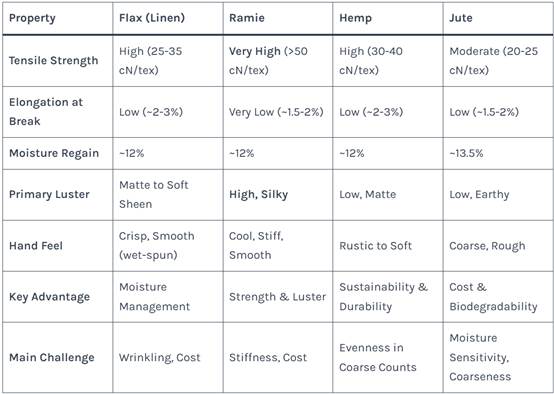
Table 2: Standard Yarn Count Ranges and Typical Applications
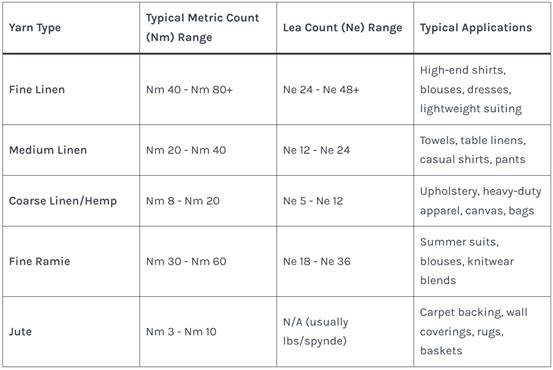
Table 3: Key Sourcing Regions in China and Their Specialties
5. Application-Driven Selection: Matching Yarn to End-Use
5.1 Apparel Fabrics:
- Linen: Ideal for summer suiting, dresses, shirts, and trousers. Its breathability is unmatched.
- Ramie: Excellent for structured summer garments, blouses, and mixed with silk or wool for luster.
- Hemp: Growing in popularity for casual wear, t-shirts, denim (hemp/cotton blends add strength), and activewear due to its antimicrobial properties.
5.2 Home Textiles:
- Linen/Hemp: Bed linens, tablecloths, napkins, curtains, and towels due to moisture absorption and fresh feel.
- Jute/Linen: Area rugs, upholstery fabrics (often blended), and wall coverings for a natural aesthetic.
5.3 Technical Uses:
- Hemp/Jute: Non-woven geotextiles, composites for automotive interiors, insulation materials.
- Hemp: Eco-friendly reinforcements in bioplastics.
6. Navigating the Chinese Supply Chain: Quality Tiers, Certifications, and Compliance
- Quality Tiers: Understand the difference between premium, export-grade yarns (often from JV mills) and standard domestic-grade products.
- Certifications: Look for Oeko-Tex Standard 100 (harmful substances), GOTS (for organic hemp/flax), and ISO 9001 quality management.
- Compliance: Ensure suppliers understand and can comply with REACH, CPSIA, or other relevant import regulations for your market.
7. Future Trends: Innovation in Chinese Bast Fiber Production
- Bio-Polishing & Enzyme Softening: Creating softer, less prickly linen and hemp yarns.
- Regenerative Agriculture: Traceable, organic hemp and flax sourcing.
- Micro-fibering: Producing ultra-fine hemp and linen yarns to compete with cotton.
8. Strategic Sourcing for Quality and Value
China offers a complete spectrum of bast fiber yarns, from the finest luxury linen to robust industrial hemp. Success lies in precise specification: defining the fiber, count, spin method (wet/dry), and required certifications. Partnering with the right mill—one aligned with your quality tier and application—is crucial. By leveraging the technical data and regional insights provided, you can transform these ancient, sustainable fibers into modern, market-leading products.
9. Frequently Asked Questions (FAQ)
Q1: Is “linen” from China made from locally grown flax?
A: Primarily, no. China spins vast quantities of linen yarn, but the highest-quality long-staple flax fiber is mostly imported from France, Belgium, and the Netherlands. Some flax is grown domestically, but for the premium apparel market, imported fiber is standard. The value-add is in China’s sophisticated spinning and weaving.
Q2: What is the difference between “100% Linen” and “Pure Linen” on a spec sheet?
A: They should mean the same thing: yarn composed solely of flax fibers. However, always request a detailed specification sheet and, for large orders, consider third-party lab testing to verify composition, as “pure” can sometimes be misused.
Q3: Why is ramie less common than linen in apparel?
A: Its natural stiffness and higher cost of degumming are key factors. Ramie is often used in blends (e.g., ramie/cotton) to impart strength and luster while mitigating stiffness. Pure ramie is favored for specific structured garments or traditional Chinese summer wear.
Q4: Can I source certified organic hemp yarn from China?
A: Yes, absolutely. China has a well-established system for certifying industrial hemp. Reputable suppliers can provide GOTS or equivalent organic certifications for their hemp fiber and yarns. Due diligence on the certification body is recommended.
Q5: How does the price of Chinese bast yarns compare to those from Europe or India?
A: Chinese yarns often offer a competitive price-to-performance ratio. For comparable quality (e.g., wet-spun linen), Chinese yarn may be more cost-effective than European but potentially slightly higher than some Indian origins. For hemp and ramie, China is often the leading and most competitive source globally.
Q6: What is the minimum order quantity (MOQ) typically for pure bast yarns from China?
A: MOQs vary widely. Large spinning mills may require 1-3 ton MOQs per color/specification. Smaller traders or specialty spinners might accept 500kg. For sample development, 10-25kg requests are common.
Q7: Are Chinese bast fiber yarns suitable for baby clothing or sensitive skin?
A: With proper processing and finishing (e.g., bio-polishing), especially linen and hemp, they can be excellent due to their natural breathability, moisture-wicking, and hypoallergenic properties. Crucially, you must specify Oeko-Tex Standard 100 Class I certification, which is the standard for baby products, ensuring the absence of harmful substances.
Q8: How do I handle the inherent wrinkle of linen fabrics made from these yarns?
A: This is a characteristic, not a defect. It can be mitigated by:
1. Blending: Linen/cotton or linen/rayon blends wrinkle less.
2. Yarn Construction: Using finer, twisted yarns.
3. Fabric Finish: Applying wrinkle-resistant finishes (request compliance with eco-standards).
4. Consumer Education: Marketing the relaxed, lived-in elegance of pure linen.
Q9: What’s the lead time for container shipments of these yarns?
A: For standard orders from confirmed stock, expect 30-45 days from order to port of loading, plus shipping time. For custom-spun yarns, lead times can extend to 60-90 days. Always clarify this during negotiation.
