
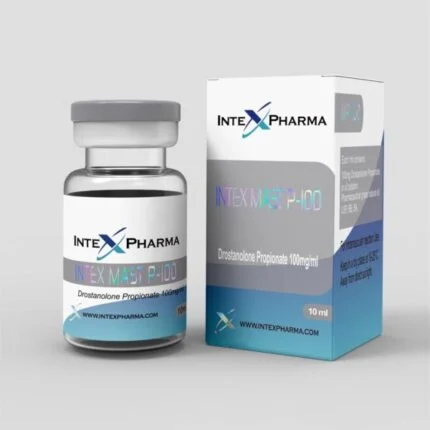
The internet has transformed the way people research pharmaceutical products. Information that once required a visit to a healthcare professional, pharmacy, or medical library can now be found within seconds. While this accessibility can be useful, it also creates challenges because online pharmaceutical information varies greatly in accuracy, completeness, and reliability. Anyone researching products associated with intexpharma should therefore approach online information carefully and focus on verification, product quality, regulatory awareness, and professional guidance.
Understanding the Purpose of Online Pharmaceutical Research
Online pharmaceutical research should primarily be viewed as an educational process rather than a substitute for medical advice. Websites, product listings, forums, advertisements, and reviews can provide useful background information, but they may not present a complete picture of a product’s benefits, risks, limitations, or appropriate use.
Responsible research begins by identifying what information is actually needed. A person might want to understand a product’s stated ingredients, dosage form, manufacturer, storage requirements, intended purpose, or regulatory status. Separating these questions from decisions about whether a product is personally appropriate can make online research much more productive.
When researching intexpharma, consumers should avoid assuming that a product is trustworthy simply because it appears on a professional-looking website. Presentation alone cannot establish pharmaceutical authenticity or quality.
Check the Source Before Trusting the Information
One of the most important principles of online pharmaceutical research is evaluating the source. Reliable information generally comes from recognized regulatory authorities, established healthcare organizations, licensed pharmacies, qualified medical professionals, and manufacturers that provide transparent product information.
Consumers should examine whether a website clearly identifies the organization behind its content. Important details can include a physical business identity, customer-service information, product documentation, and references to applicable regulatory requirements.
Anonymous websites that make unusually strong claims should be treated cautiously. Statements promising guaranteed results, dramatic outcomes, or completely risk-free use are particularly important to question. Pharmaceutical products can have different effects depending on individual circumstances, and responsible information should acknowledge appropriate limitations.
Examine Product Information Carefully
Product research should go beyond a product name. Consumers should look for information such as active ingredients, strength, dosage form, batch or lot information where applicable, expiration dates, storage conditions, packaging details, and manufacturer information.
A legitimate product should have information that is reasonably consistent across reliable sources. Major differences between a manufacturer’s documentation and an online seller’s description can be a warning sign.
Images can also be misleading. Packaging photographs may be outdated, edited, copied from another website, or unrelated to the product actually supplied. For that reason, consumers should not rely on photographs alone when evaluating pharmaceutical products connected with intexpharma or any other company or product name.
Consider Authenticity and Supply Chain Transparency
Authenticity is one of the biggest concerns when pharmaceutical products are purchased or researched online. Counterfeit, improperly stored, expired, contaminated, or incorrectly labeled products can present serious risks.
Responsible research involves asking where a product originates and how it reaches the consumer. A transparent supply chain can provide greater confidence than an anonymous seller operating without clear business information.
Consumers should be particularly cautious when a website offers products at prices that appear dramatically different from established market prices without a credible explanation. Extremely low prices do not automatically prove that a product is counterfeit, but they can justify additional verification.
Packaging should also be examined for obvious inconsistencies, including spelling mistakes, damaged seals, unusual labeling, missing information, or differences between the supplied product and official documentation.
Understand Regulatory Considerations
Pharmaceutical regulations differ between countries. A product that is legally marketed in one jurisdiction may have different requirements or restrictions elsewhere. Consumers researching pharmaceutical products online should therefore consider the regulations applicable in their own location.
Regulatory status can sometimes be checked through official government databases or health authorities. These sources are generally more reliable than marketing pages when determining whether a pharmaceutical product, manufacturer, or distributor has appropriate authorization.
It is also important to distinguish between a product being available online and being legally authorized for sale. Internet availability does not automatically establish legitimacy.
Be Careful With Online Reviews
Reviews can provide useful insight into customer experiences, but they should never be treated as definitive evidence of pharmaceutical quality. Individual experiences can vary substantially, and online reviews may be incomplete, biased, incentivized, or fabricated.
When evaluating intexpharma reviews or other pharmaceutical-related feedback, consumers should look for patterns rather than relying on a single comment. Multiple independent sources that discuss similar experiences may provide more context, but even consistent reviews cannot replace laboratory testing, regulatory verification, or professional medical assessment.
Reviews are best used to identify questions that require further investigation rather than to make medical decisions on their own.
Recognize Marketing Language
Pharmaceutical product pages may combine factual information with promotional language. Consumers should learn to distinguish between objective product information and advertising claims.
Words such as “guaranteed,” “instant,” “completely safe,” or “no side effects” deserve careful scrutiny. Responsible pharmaceutical information should communicate appropriate warnings and limitations rather than presenting every product as suitable for everyone.
A useful approach is to rewrite promotional claims as questions. Instead of accepting a statement that a product is highly effective, ask what evidence supports that claim, who conducted the research, whether the research applies to the specific product, and whether the evidence is independently verifiable.
Protect Personal and Financial Information
Online pharmaceutical research also involves privacy and cybersecurity considerations. Consumers should avoid providing unnecessary personal information to unfamiliar websites. Payment details, identification documents, medical information, and other sensitive data should only be shared through trustworthy and appropriately secured services.
Before creating an account or purchasing a product, consumers should review the website’s privacy policies, contact information, return policies, and payment procedures. A professional-looking website does not automatically guarantee that personal information will be handled responsibly.
Consumers should also be cautious about websites that pressure visitors into making immediate purchases or require unusual payment methods.
Know When Professional Guidance Is Necessary
Some pharmaceutical questions cannot be answered responsibly through general online research. Questions involving diagnosis, dosage, drug interactions, contraindications, side effects, treatment changes, or individual medical conditions require qualified professional guidance.
A pharmacist or healthcare professional can help determine whether a particular product is appropriate and explain potential risks. They can also help consumers interpret product information that may be difficult to understand independently.
Online research can prepare someone for a better conversation with a healthcare professional, but it should not replace that conversation when medical judgment is required.
Build a Reliable Research Process
A responsible research process can be simple. Start with the exact product name and manufacturer. Compare information across authoritative sources. Verify regulatory details where possible. Examine packaging and labeling information. Consider supply-chain transparency. Treat reviews as supplementary evidence rather than proof. Finally, consult a qualified healthcare professional when the question involves personal treatment or safety.
This approach reduces the chance of being influenced by incomplete product descriptions, aggressive marketing, or unreliable online claims.
Making Better Decisions About Online Pharmaceutical Information
The growing availability of pharmaceutical information online offers both opportunities and risks. Consumers can become better informed, compare publicly available information, and learn about questions they may want to discuss with healthcare professionals. However, convenience should never replace verification.
Research involving intexpharma should therefore focus on credible sources, transparent product information, authenticity, regulatory considerations, and responsible purchasing practices. Consumers who slow down, verify claims, and recognize the limits of online information are better positioned to distinguish useful pharmaceutical information from unsupported marketing.
Ultimately, responsible online pharmaceutical research is less about finding the fastest answer and more about finding reliable evidence. A careful approach protects consumers from misleading claims and encourages informed conversations with qualified healthcare professionals before making important decisions about pharmaceutical products.
